ELIA TERA
THE ACT OF SEEING
ARTIST STATMENT
I paint not to reproduce the world,
but to invite you to see it through different eyes —
to search for meaning, to recognise beauty,
and to speak its language.
What does it mean to truly see?
Not simply to look, but to notice. To pause. To remain.
To allow something to reach us before we move on.
But what happens when we stop? What happens when we give ourselves time to look at a mountain, the movement of water, a flower, a changing sky — not as familiar images, but as something alive, something capable of speaking to us?
I believe that seeing is an act of awareness.
And beauty is not decoration. Beauty can be a way of remembering what matters.
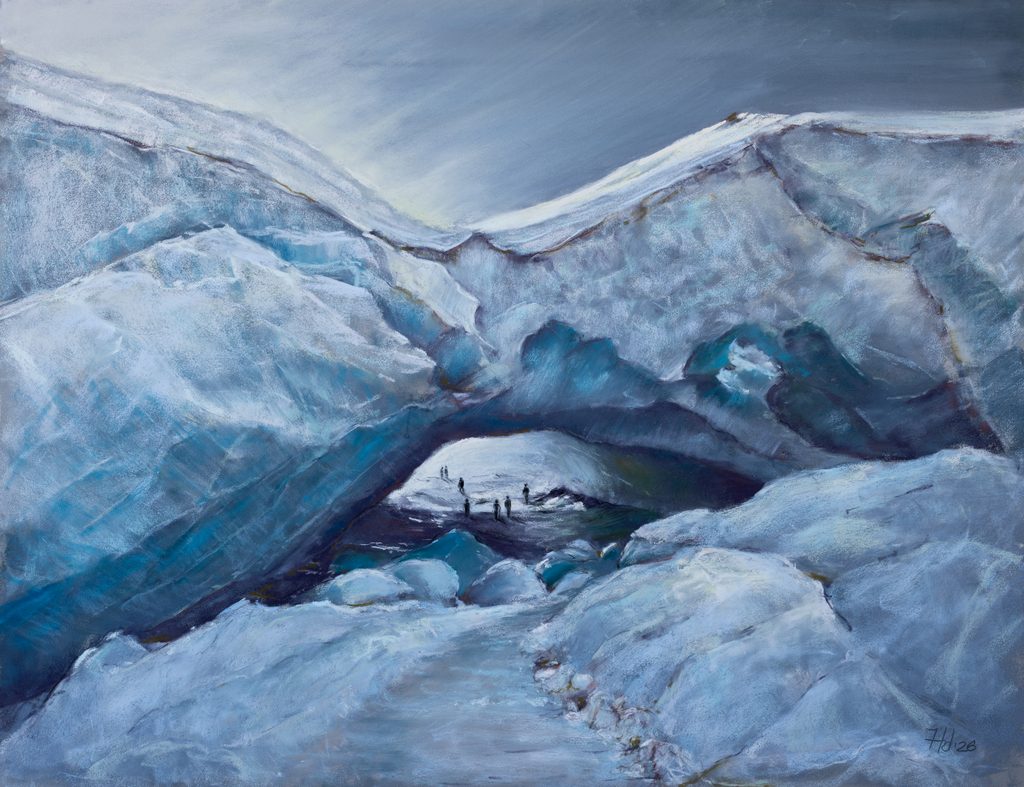
A mountain can become a question of permanence. A wave — a question of movement and energy.
A flower — a question of vulnerability and transformation.
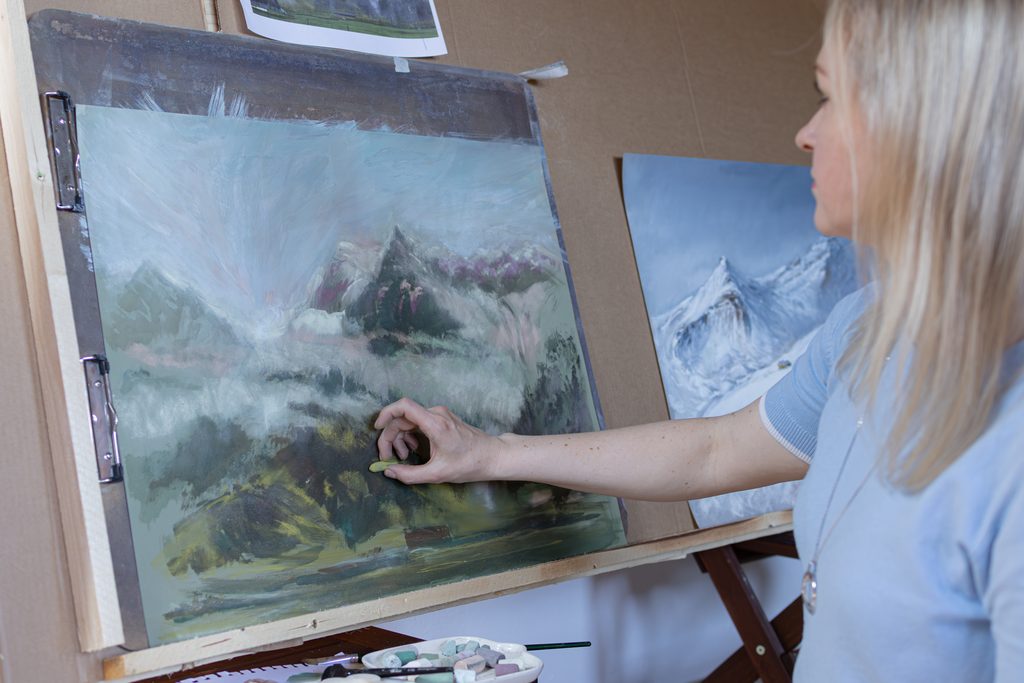
Painting, for me, is an act of searching.
Searching for meaning. Searching for what touches us. Searching for the moment when an image becomes an experience.
Why soft pastel?
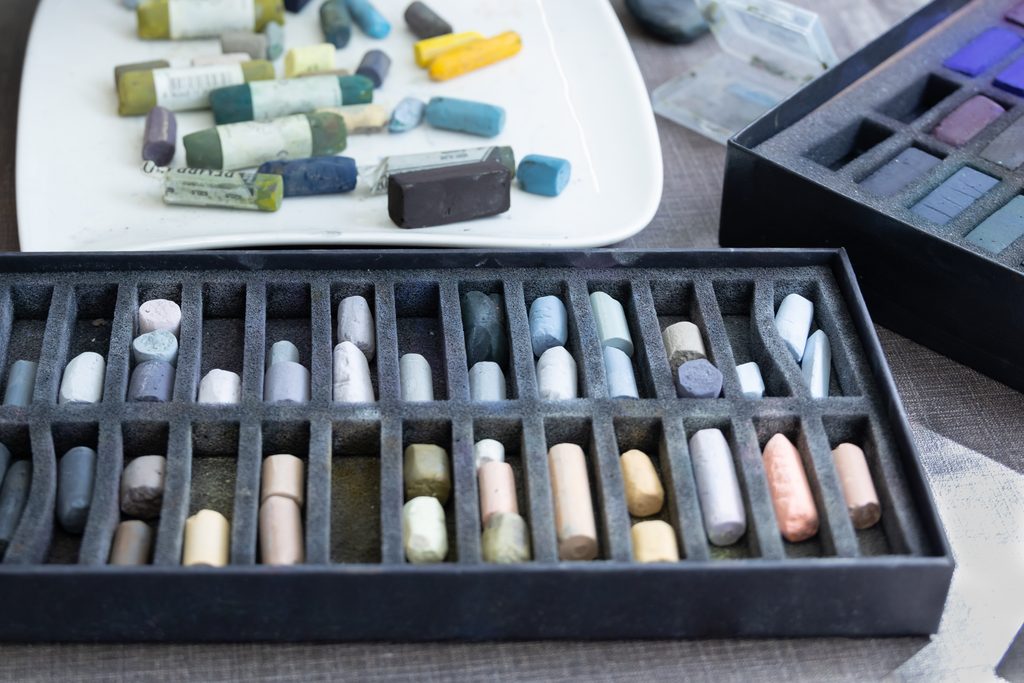
Perhaps this is why pastel has become my language. Pastel is not simply a medium for me. It is an experience of light, colour and touch. The pigment meets the surface directly. It can be layered, softened, pressed and moved by the hand. Colour is not only seen — it can almost be felt.Pastel demands presence. The eye, the hand and the emotion work together. Light is built through colour, depth through layers, and the surface remains alive.
For me, pastel has an almost therapeutic quality. It brings colour into the process of creating — and, with it, a sense of light and vitality. It is both immediate and deeply complex: a medium that allows the freedom of drawing and the richness of painting.
This is what I want to share with my students: not only how to work with pastel, but how to enter into colour, touch the material, and discover their own way of seeing.
THE VIEWER
I want my paintings to slow the gaze.
To make you come closer. To look again. To discover a detail. To recognise a place. To remember something that belongs only to you. If a painting can make someone stop for a moment, feel something, remember something, or suddenly notice beauty where they had stopped looking for it — then the painting has already begun to exist beyond the frame.
Perhaps this is where art has its quiet power. Not to change the world directly, but to change the way we look at it.
And perhaps, through that change of vision, to awaken the desire to make the world around us more beautiful.
ABOUT ELIA TERA
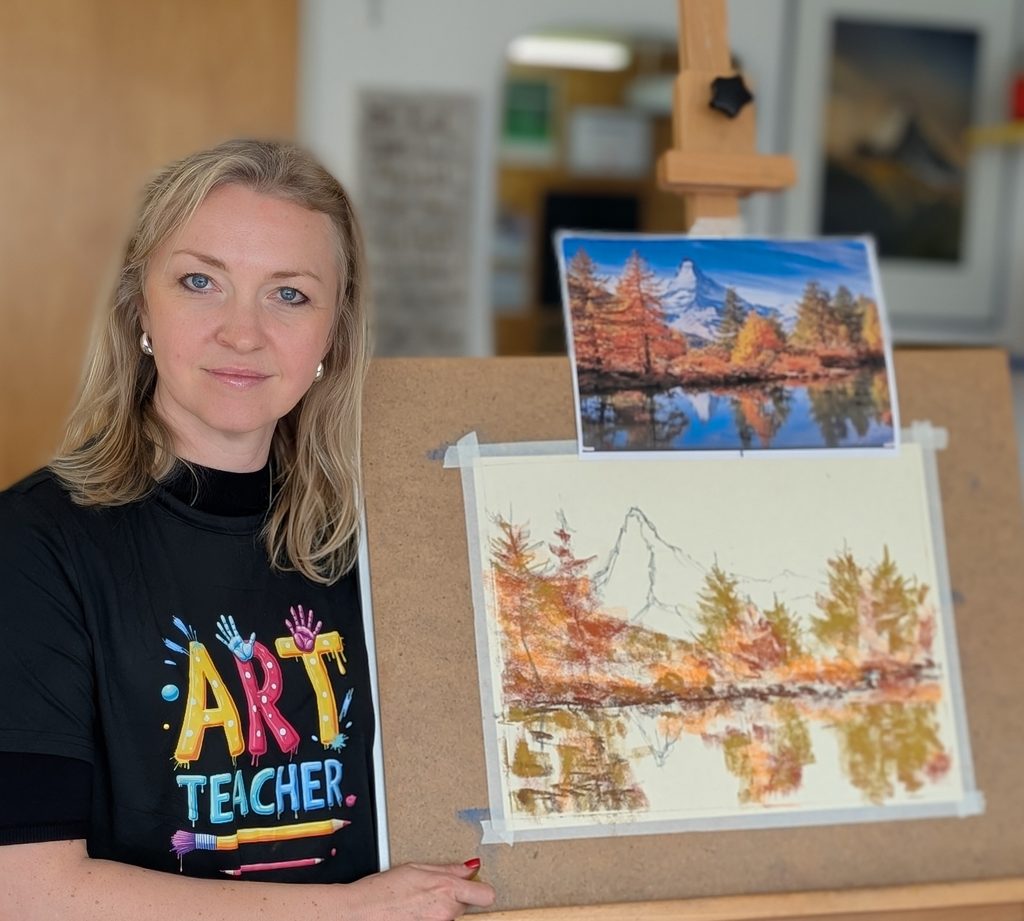
I am Elena Terentieva, an artist working under the name Elia Tera. I was born and raised in Moldova and now live and work in Switzerland.
I discovered pastel in 2020, and since then it has become my main artistic language. Before becoming a full-time artist, I worked in interior design and 3D visualisation, developing a strong sensitivity to colour, light, composition and space.
Today, I combine painting, exhibitions and teaching. I have an art studio in Adliswil, as well as a large attic studio in my home. Both are bright, inspiring spaces where I love to paint, work and teach.
Working with pastel has taught me to see the world differently. It has developed my creative intuition and changed the way I observe, feel and interpret what surrounds me. Today, I try to pass this way of seeing on — through my paintings to the viewer and through teaching to my students.